
The Blueprint for ROI: Why Your Creative Brief is the Engine of Your Campaign
In the high-speed creator economy of 2026, a creative brief is no longer just a set of instructions; it is a strategic contract between a brand’s vision and a creator’s community. At SixtySix Media Inc., we have seen countless campaigns fail not because the product was poor or the creator was untalented, but because the brief was either too restrictive or too vague. To get the highest ROI from TikTok Shop or Amazon Influencer partnerships, you must master the art of the “Context over Control” brief.
The “Why” is simple: Creators are the masters of their own algorithms. When you over-script a creator, you strip away the authenticity that their audience trusts. When you under-brief, you risk receiving content that doesn’t align with your brand growth goals. A successful 2026 creative brief provides a clear roadmap while leaving enough space for the creator to “drive” the content in their native style. This guide outlines the SixtySix framework for writing briefs that eliminate revisions and maximize conversions.
1. The “One-Page” Rule: Scannability is Success
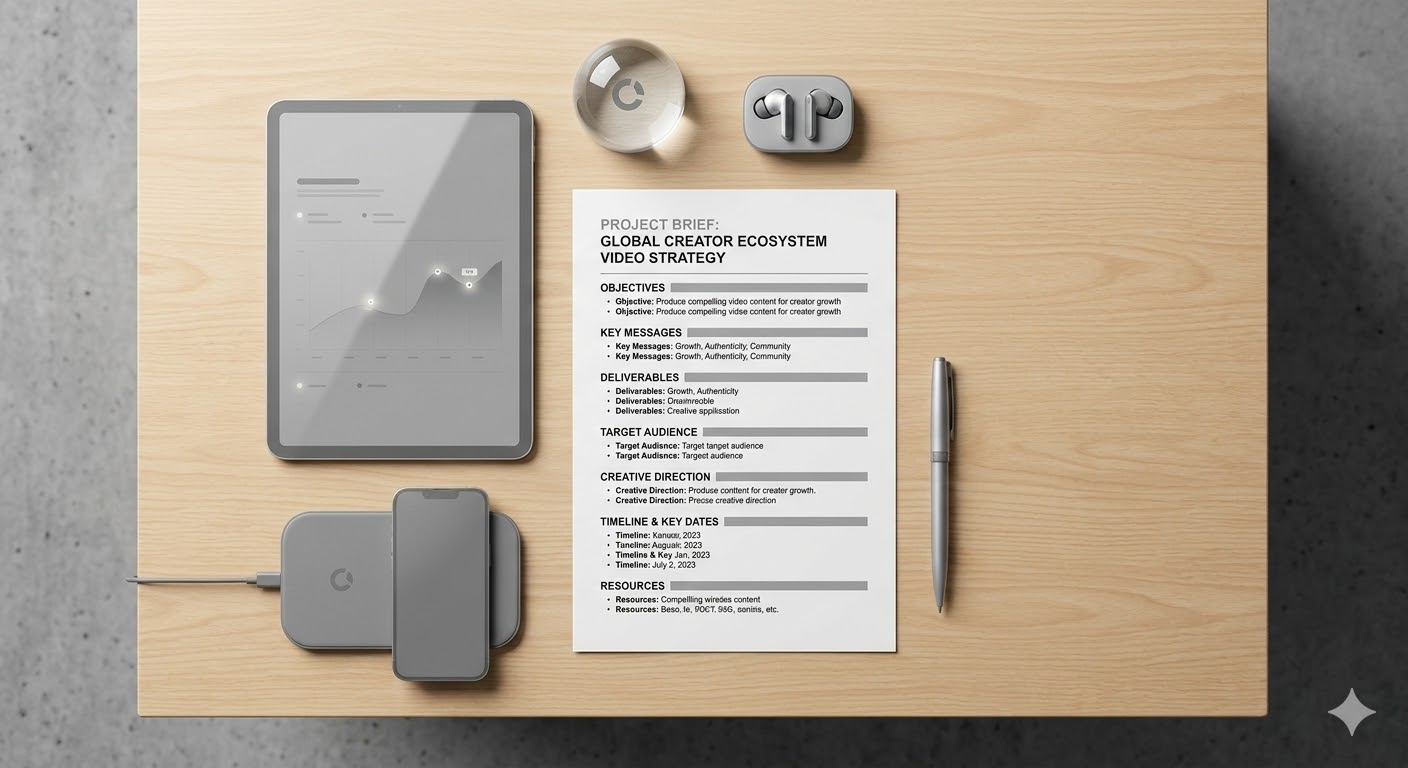
In 2026, top-tier creators are managing multiple brand deals simultaneously. If your brief is a 10-page PDF filled with corporate jargon, it will be skimmed, and key details will be missed. SixtySix Media Inc. advocates for the “One-Page Rule.” Your brief should be a living document that is visually scannable and highlights the “Non-Negotiables” immediately.
- The Scannable Header: Include the Campaign Name, Deadlines (Draft and Live), and a direct link to the Product Page.
- The “TL;DR” Summary: A three-sentence overview of the brand and the primary goal of the specific video.
- Visual Mood Board: Instead of describing an aesthetic, include 2-3 screenshots or links to existing content that captures the vibe you’re targeting.
2. Translating Business KPIs into Creator Instructions
One of the most common mistakes we see B2B brands make is putting internal KPIs (like “Increase LTV by 10%”) into a creator brief. Creators cannot film a “LTV increase.” They film hooks, stories, and calls to action. You must translate your business goals into creator-friendly objectives.
- If your goal is Awareness: “Show the product in your daily routine and focus on the ‘Wow’ factor of the unboxing.”
- If your goal is Education: “Highlight the top 3 features that solved a specific problem for you this week.”
- If your goal is Conversion: “Focus on the value proposition and ensure the ‘Link in Bio’ or ‘Orange Cart’ mention is clear in the final 10 seconds.”
3. Briefing for Subcultures, Not Just Demographics
In 2026, targeting “Women aged 25-34” is a relic of the past. Success now happens at the subculture level—#TechTok, #CleanHacks, #B2BGrowth, etc. Your brief should explicitly name the subculture you want the creator to speak to. This allows them to use the specific slang, audio trends, and “inside jokes” that trigger the TikTok and YouTube algorithm.
Pro Tip: Use “Social Listening” to identify the top 3 pain points of that subculture and include them in your brief. For example: “We are targeting the #WFH community. Their biggest pain point is cord clutter. Please show how our product solves this.” For more on this, check our High-Conversion Scripting guide.
4. The “Do’s & Don’ts” Framework
Rather than providing a script, provide Guardrails. This protects your brand safety while preserving the creator’s voice. This section should be the most prominent part of your brief.
| Brand Do’s | Brand Don’ts |
|---|---|
| Mention the “Lifetime Warranty” | Do not use heavy beauty filters |
| Film in natural, bright lighting | Do not mention competitors by name |
| Show the product being used (hands-on) | Avoid “salesy” or scripted intros |
5. Technical Specifications and Compliance
Nothing kills a campaign faster than a video that can’t be used because it’s in the wrong format or misses a legal disclosure. In 2026, FTC compliance and platform-specific tagging (like the Amazon Influencer tag) are mandatory and must be highlighted in the brief.
- Format: 9:16 vertical, 4K resolution, No watermarks from other platforms.
- Sound: Use trending audio from the platform’s “Commercial Library” to avoid copyright strikes.
- Compliance: Must include #ad or the “Paid Partnership” label within the first 3 seconds of the video or the first line of the caption.
SixtySix Media Insight: Always ask for the “Raw Footage” (without text/music) as a deliverable in your brief. This allows your internal team to repurpose the content for different ad variations, maximizing the ROI of a single creator partnership.
Final Thoughts
A great creative brief is the difference between a video that gets “likes” and a video that gets “sales.” By focusing on scannability, subculture relevance, and clear guardrails, you empower creators to do what they do best: build trust with their audience on your behalf. At SixtySix Media Inc., we believe that when a creator wins, the brand wins.
Mastering the brief is a veteran skill that separates top-tier media agencies from the rest. Let us help you streamline your creative operations and get the results your brand deserves.
Ready to see a brief in action? Explore our Brand Partnerships page to see how we manage creator relationships at scale, or Contact Us to have SixtySix Media Inc. draft your 2026 campaign strategy.